Although the popularity of carbon monoxide (CO) alarms has been growing in recent years, it cannot be assumed that everyone is familiar with the hazards of carbon monoxide poisoning in the home.
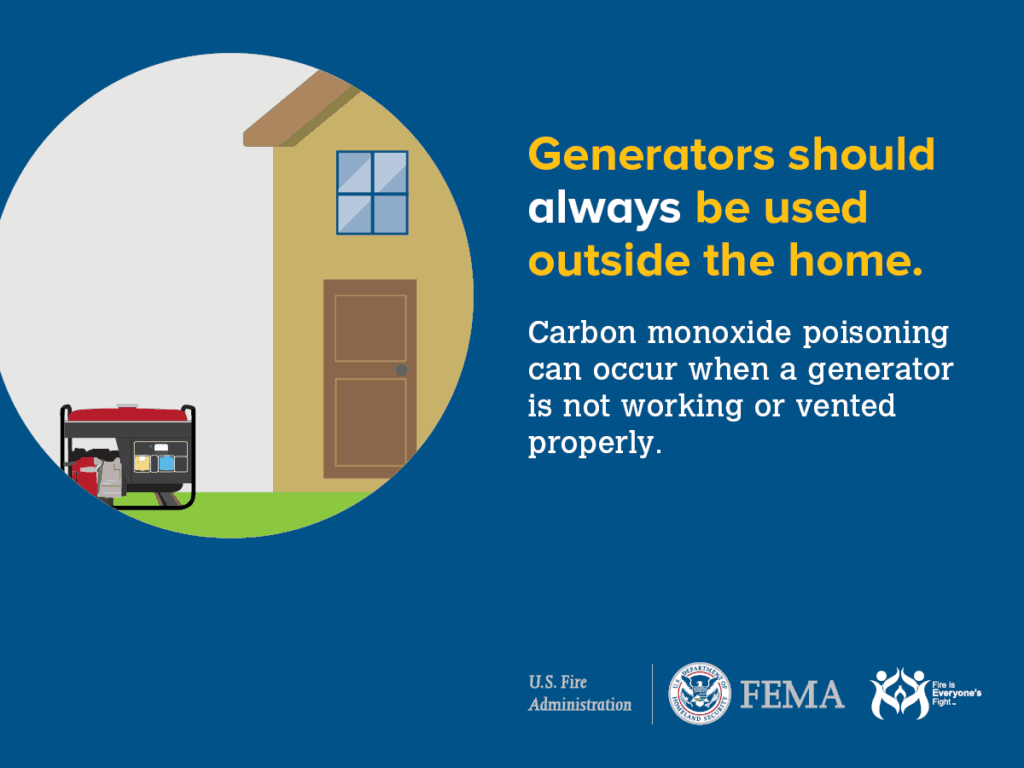
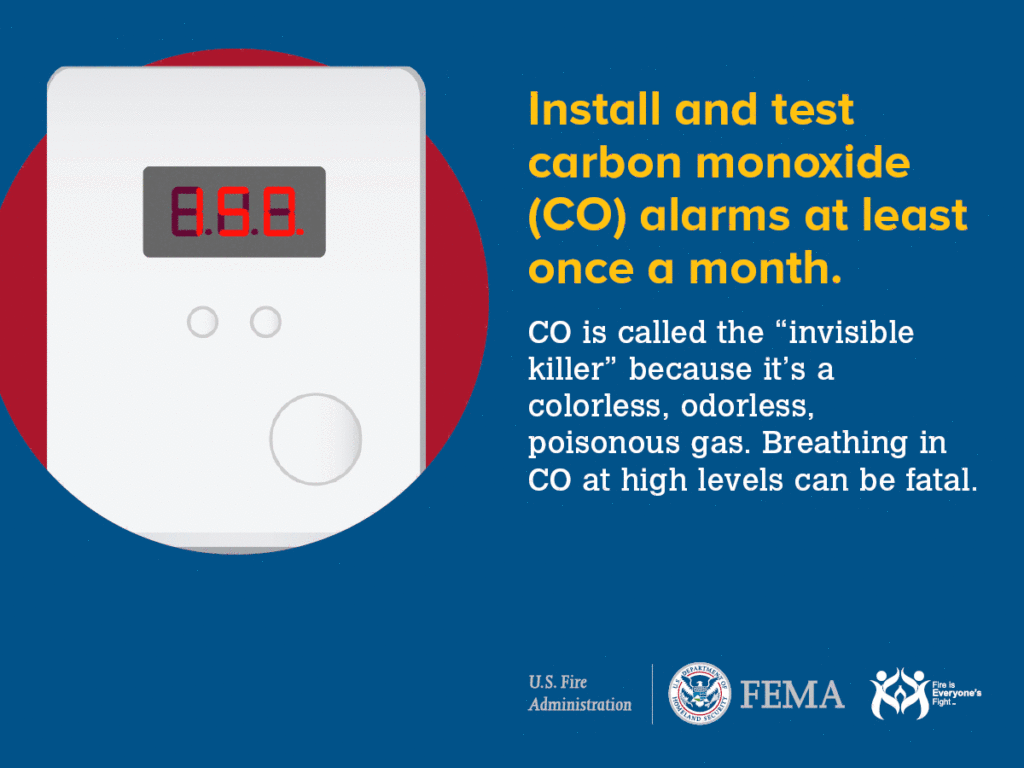
Often called the invisible killer, carbon monoxide is an odorless, colorless gas created when fuels (such as gasoline, wood, coal, natural gas, propane, oil, and methane) burn incompletely. In the home, heating and cooking equipment that burn fuel are potential sources of carbon monoxide. Vehicles or generators running in an attached garage can also produce dangerous levels of carbon monoxide.
Carbon Monoxide Facts & Stats
The dangers of CO exposure depend on a number of variables, including the victim’s health and activity level. Infants, pregnant women, and people with physical conditions that limit their body’s ability to use oxygen (i.e. emphysema, asthma, heart disease) can be more severely affected by lower concentrations of CO than healthy adults would be.
A person can be poisoned by a small amount of CO over a longer period of time or by a large amount of CO over a shorter amount of time.
In 2010, U.S. fire departments responded to an estimated 80,100 non-fire CO incidents in which carbon monoxide was found, or an average of nine such calls per hour. The number of incidents increased 96 % from 40,900 incidents reported in 2003. This increase is most likely due to the increased use of CO detectors, which alert people to the presence of CO.
Know the Symptons of Carbon Monoxide Poisioning
Because CO is odorless, colorless, and otherwise undetectable to the human senses, people may not know that they are being exposed. The initial symptoms of low to moderate CO poisoning are similar to the flu (but without the fever). They include:
Headache
Fatigue
Shortness of breath
Nausea
Dizziness
Quick Tips on Carbon Monoxide Safety
Share these graphics with your family and friends! We encourage you to print these and also share on social media.